


D-41849 D41849 Precision Matched Hydraulic Oil Filter Element Industrial Machinery Clean Oil
Similar models
| D-41849 | PI3130SMX10 | HC0101FKT18H ULTIPOR III |
| D142G03 | HP107L36-10MB | RE130G05B |
| D-68775 | FLK02-02918 | 1980070 |
| 50.060 L2-P | R928022829 | UE319AZ20H |
| P182042 | HP1352M60ANP01 | 1300R025WHC |
| HC101FKR18H ULTIPOR III | HC101FKR18H ULTIPORIII | 325325-009 |
| 211736-001 | FE B50.060.L2-PF | KKZ3 |
Type | Hydraulic oil filter | Material | Stainless steel wire mesh |
Warranty | 6 Month | Machinery Test Report | Provided |
Video Outgoing-Inspection | Provided | Place of Origin | Henan, China |
Brand Name | ALIPASTOR | Application | for Hydraulic system |
Product Name | Hydraulic oil filter | Part Number | D-41849 D41849 |
Keyword | Hydraulic oil filter | Weight | Standard |
Filtration | 1-70micron | Color | Customize |
Filtration Grade | 99% | Warranty | 3 Months |
Production Capacity | 1000 PCS/Week |
Product Parameters
Model Number | D-41849 D41849 |
Type | Hydraulic oil filter element |
Dimension | Standard |
Working Temperature | According to customer's request |
Work Pressure Different | Customized |
Material | Stainless steel wire mesh |
Filter Precision | 3~100μm |
Life span | 2000h |
MOQ | 1 pieces |
Lead Time | Around 5-7 days after order confirmed |
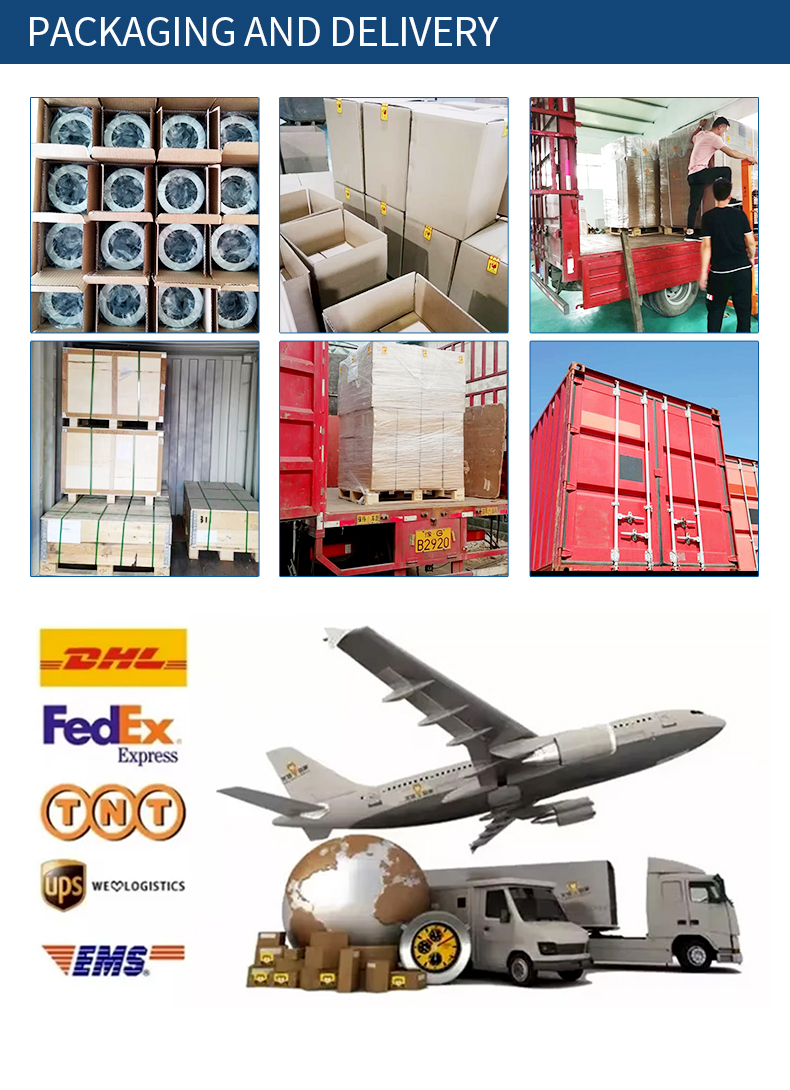
Package | PP bag inside, Inner carton, Export carton outside, or Wooden box as your requirement |
Shipping Method | By sea, by air, by express |
D-41849 & D41849 Hydraulic Oil Filter Elements – Technical Specifications & Application Guide
Product Overview
The D-41849 and D41849 are high-performance hydraulic oil filter elements designed to remove solid particles, contaminants, and oil degradation byproducts from hydraulic systems. They protect critical components (e.g., pumps, valves, actuators) from wear, extend equipment lifespan, and maintain system reliability. These filters are widely used in industrial applications where clean hydraulic oil is essential for optimal performance.
Key Technical Specifications
Parameter | Specification |
|---|---|
Filter Type | Hydraulic Oil Filter Element |
Filter Media | High-quality glass fiber (primary filtration); stainless steel mesh (support) |
Filtration Accuracy | 10 µm (nominal); removes 99% of particles ≥10 µm |
Operating Pressure | Maximum 21 MPa (3045 PSI); rated for continuous operation at 1.6–3.0 MPa |
Temperature Range | -30°C to +120°C (-22°F to +248°F) |
Seal Material | Nitrile rubber (NBR) or fluorocarbon rubber (FKM) for leak-free performance |
Structural Strength | Withstands differential pressures up to 2.5 MPa (362 PSI) without collapse |
Certifications | Compliant with ISO 2941 (collapse resistance), ISO 2942 (integrity), ISO 2943 (material compatibility), ISO 3724 (fatigue), ISO 3968 (pressure drop), ISO 4572 (multi-pass performance) |
Design & Construction Features
The D-41849 and D41849 filters are engineered for durability and efficiency:
Filter Media: A blend of glass fiber (for fine particle capture) and stainless steel mesh (for structural support) ensures high dirt-holding capacity and resistance to deformation under pressure.
Inner Frame: Trapezoidal wire-reinforced inner frame provides mechanical strength to withstand high-pressure surges.
End Caps: Corrosion-resistant carbon steel or aluminum end caps with precision sealing surfaces prevent oil leakage.
Folded Structure: The filter media is folded into a compact, pleated design to maximize surface area, reduce pressure drop, and extend service life.
Primary Functions & Benefits
These filters serve three critical roles in hydraulic systems:
Contaminant Removal: Traps metal particles, dust, sludge, and oil oxidation products to prevent component wear (e.g., pump piston scoring, valve seat erosion).
System Protection: Maintains oil cleanliness at NAS 8 or better, which is required for sensitive components like servo valves.
Performance Optimization: Reduces pressure drop across the filter, minimizing pump workload and energy consumption.
Key Benefits:
Extends component lifespan by up to 50% (compared to unfiltered systems).
Minimizes downtime caused by contamination-related failures.
Reduces maintenance costs by preventing premature component replacement.
Application Areas
The D-41849 and D41849 filters are suitable for a wide range of industrial applications, including:
Metallurgy: Hydraulic systems for rolling mills, continuous casting machines, and steel processing equipment.
Petrochemical: Oil refining, chemical production, and oilfield injection systems.
Power Generation: Turbine lubrication, boiler feedwater pumps, and nuclear/hydroelectric power plants.
Manufacturing: Injection molding machines, presses, and heavy-duty machinery.
Transportation: Marine hydraulic systems, railway locomotives, and construction equipment.
Installation & Maintenance Guidelines
Installation Steps
Shutdown & Depressurization: Turn off the hydraulic system and relieve pressure from the oil circuit.
Remove Old Filter: Use a filter wrench to loosen the old filter (counterclockwise rotation).
Clean Housing: Wipe the filter housing and surrounding area to remove dirt and debris.
Install New Filter: Apply a thin layer of clean hydraulic oil to the new filter’s seal. Screw the filter clockwise until hand-tight, then tighten an additional 1/4 turn.
Test for Leaks: Refill the system with oil and start the equipment. Inspect the filter housing for leaks.
Maintenance Best Practices
Regular Inspection: Check the filter housing and seal monthly for signs of wear or leakage.
Pressure Drop Monitoring: Use a differential pressure gauge to track filter blockage. Replace the filter when the pressure drop exceeds 0.05 MPa (7 PSI).
Replacement Interval: Replace the filter every 1,000–2,000 operating hours (or as recommended by the equipment manufacturer).
Oil Analysis: Perform regular oil sampling to monitor contamination levels and adjust replacement intervals accordingly.
Consequences of Neglecting Maintenance
Failure to replace the D-41849 or D41849 filter on time can lead to:
Component Failure: Clogged filters allow contaminants to circulate, causing irreversible damage to pumps, valves, and actuators (e.g., a damaged hydraulic pump can cost $5,000–$10,000 to replace).
System Downtime: Contamination-related breakdowns can halt production, resulting in significant revenue loss (e.g., a manufacturing plant may lose $10,000 per hour due to downtime).
Increased Energy Consumption: A clogged filter increases pressure drop, forcing the pump to work harder and consume up to 20% more energy.
Oil Degradation: Contaminants accelerate oil oxidation, reducing its lubricating properties and requiring more frequent oil changes.
Conclusion
The D-41849 and D41849 hydraulic oil filter elements are essential components for maintaining the reliability and efficiency of hydraulic systems. Their robust design, high filtration efficiency, and compliance with international standards make them suitable for even the most demanding industrial applications. By following proper installation and maintenance guidelines, users can minimize downtime, reduce repair costs, and extend the lifespan of their equipment.




Q2. Is customized filter or OEM available?
A: Yes,just offer your required sepcifications and drawings.
Q3. Can you produce according to the samples?
A: Yes,we can produce by your samples or technical drawings. We can build the molds and fixtures.
Q4.What's the terms of payment?
A: T/T 30% as deposit, and 70% before delivery. We'll show you the photos of the products and packages before you pay the balancing.
Q5.What's your terms of delivery?
A: (1)FOB (2)CFR (3)CIF.
Q6. How about your delivery time?
A: Generally, under MOQ quantity take 5-7 working days after receiving your advance payment. The specific delivery time depends on models and the quantity of your order.
Q7. What's your sample policy?
A: We can supply the sample if we have stock, but the customers have to pay the sample cost and the courier cost at first, and we will refund sample cost in your next order.


