
INR-S-00125-H-SS-UPG-ED Hydraulic Oil Filter — Specs, Applications Replacement Guide
What the INR-S-00125-H-SS-UPG-ED Is
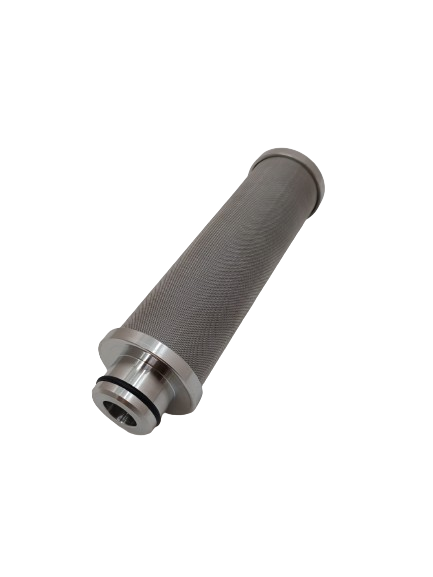
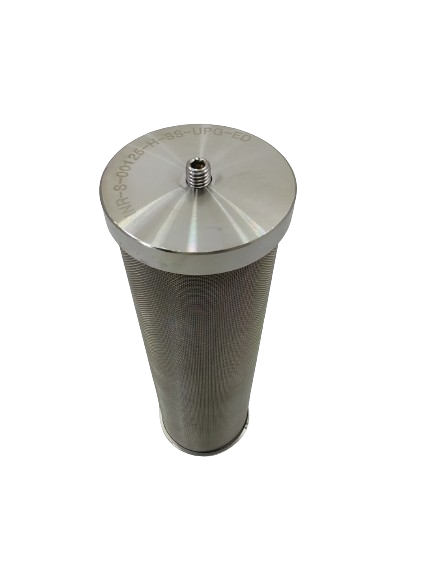
The INR-S-00125-H-SS-UPG-ED is a high-performance hydraulic oil filter element built for demanding fluid-power and lubrication circuits. The code breaks down into useful selection clues:
INR-S-00125 / 0125 — 125 mm-class mid-size element (leading-zero variance, same base)
H — high-spec variant (upgraded collapse / bypass margin vs. standard base)
SS — stainless steel reinforcement (mesh support cage or sintered stainless media)
UPG — upgraded media, typically microglass or stainless-felt composite for finer capture and higher dirt-holding
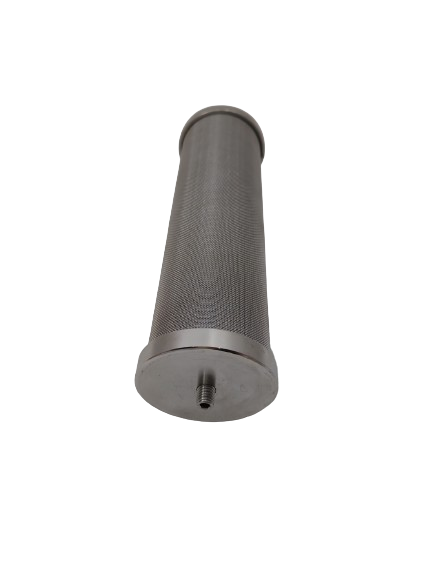
ED — end-cap / seal configuration (verify against old element)
Typical duty: high-pressure hydraulic loops, servo-case drain, cooler bypass, compressor lube oil, and wind-turbine pitch/yaw hydraulics.
💡 This is an element-only part. The housing, head, center tube, and seals are reused or sourced separately.
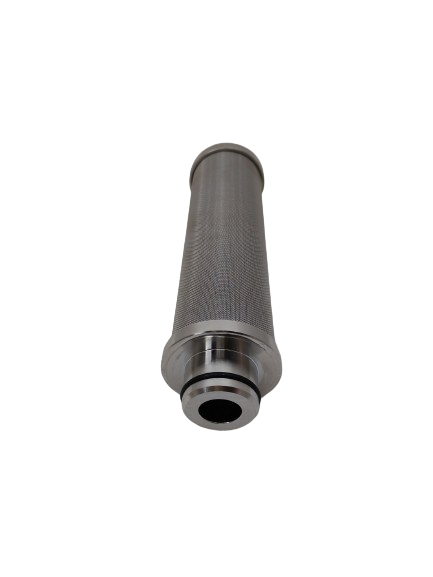
Specs Checklist — Verify Before Ordering
Because the INR-S family spans several tail codes, never order by the name alone. Match the old element first.
Parameter | Typical range / what to check |
|---|---|
Outer diameter (OD) | ~60–70 mm (≈ 2.44 in common on 0125 base) |
Inner diameter (ID) | ~20 mm (≈ 0.79 in common) |
Overall height | ~125 mm element zone; some housings list ~223 mm total — measure old element |
Micron rating | 3–100 µm available; common 10–15 µm for hydraulic duty |
Media | Stainless wire mesh + upgraded microglass / stainless felt |
Filtration efficiency | β-ratio graded; high-efficiency versions ≈ 99% capture at rated µm |
Collapse rating | 21–210 bar depending on housing / high-pressure duty |
Flow direction | FOTI (outside-in) typical for cartridge elements |
Seal / end cap | ED config — match old cap profile; NBR / FKM depending on fluid |
Temperature | -30°C to +100°C typical for hydraulic oil service |
⚠️ Three mismatch risks:
End-cap profile (ED vs. AD) — same media, wrong cap = no seal.
Collapse rating — high-pressure loops need 100+ bar; return-line duty can be lower.
Bypass setting — if the element carries an internal bypass, it must match the housing logic.
Common Applications
High-pressure hydraulic power units — presses, injection molding, steel mill auxiliaries
Servo and proportional valve circuits — where ISO 4406 cleanliness matters
Compressor lube-oil systems — rotary and reciprocating units
Wind power & turbine hydraulics — pitch control, braking, yaw drives
Mobile equipment — excavator pilot loops, crane hydraulics, offshore decks
Process industries — petrochemical, power generation, paper, marine
If your filter head accepts a 125 mm-class stainless cartridge with outside-in flow and a differential-pressure indicator, this element family fits.
When to Replace
Replace the INR-S-00125-H-SS-UPG-ED when:
Clogging indicator or ΔP gauge reaches the housing alarm setpoint
Metal particles appear on the old media — investigate pump/valve wear before restart
Oil sample ISO 4406 code stops improving after a change (wrong installation or bypass issue)
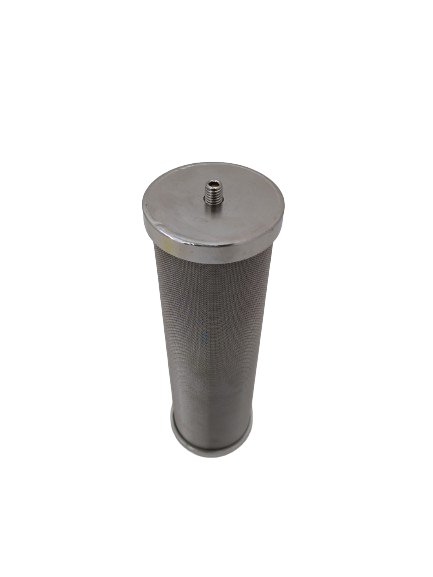
Collapsed pleats, torn media, or hardened seal visible on inspection
Scheduled interval — typically 1,000–2,000 h in normal duty; shorter in high-contamination or high-moisture service
📌 Don't run past bypass. Once the element blinds off, contaminants circulate freely and wear accelerates.
Replacement Steps
Isolate and depressurize — close upstream/downstream valves, bleed accumulator energy to zero.
Drain the bowl — crack the housing slowly; catch oil (cartridges can hold 0.5–1.5 L).
Open the housing — unbolt the cap or bowl; support it if heavy.
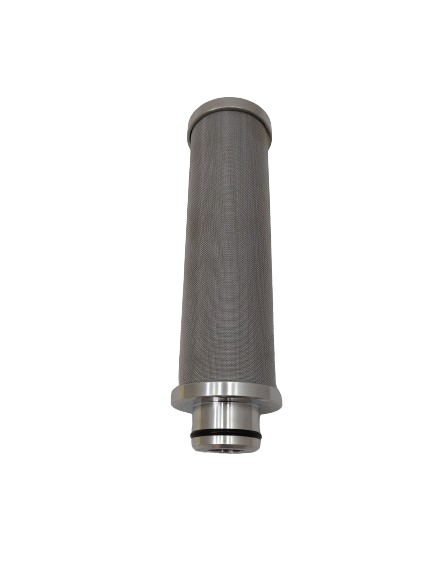
Remove the old element — lift straight out, note flow-direction arrow and cap orientation.
Inspect — look for metal debris, sludge, collapsed media, or damaged support cage.
Clean the housing — wipe bore and center tube with a lint-free cloth and clean fluid.
Fit new seals — always use fresh O-rings/gaskets; lube lightly with clean hydraulic oil.
Seat the new element — align flow arrow, push fully onto the center post, no twist.
Reassemble to torque spec — even tightening; over-torque cracks the cap, under-torque leaks.
Bleed, leak-check, reset indicator — restart slowly, watch ΔP, and log the initial reading.
After 24–48 h, take an oil sample to confirm the ISO cleanliness code improved.
Selection Tips
Match micron to component sensitivity — servo valves want finer (5–10 µm β-rated); open-loop gear systems can run coarser.
Confirm media chemistry — standard mineral oil works with microglass; biodegradable esters and high-water fluids may need special media.
Verify collapse + bypass together — dimensional match is not enough; hydraulic performance must match.
Keep a photo pack — old element top/bottom/side, end-cap profile, housing nameplate, micron stamp, and seal material. That's enough for a clean non-brand cross-reference.
FAQ
Q: Is INR-S-00125-H-SS-UPG-ED the same as INR-S-0125-H-SS-UPG-ED?
A: Usually yes — "00125" and "0125" are print variances of the same 125 mm base. The important part is the full tail: H-SS-UPG-ED must match media, cap, and seal configuration.
Q: Can this element be cleaned and reused?
A: No. Microglass/stainless-composite elements are single-use. Back-flushing pushes captured particles back into the clean side. Only plain stainless mesh strainers are washable.
Q: What micron should I choose?
A: 10–15 µm is common for general hydraulic duty. Go finer (5 µm or less, β-rated) for servo/instrument loops; stay coarser if the system has high dirt load and no pre-filtration.
Q: How do I confirm fitment without the box?
A: Measure OD, ID, height, end-cap style, bore, seal material, and micron mark. Add the housing nameplate photo — that covers the full cross-reference.


